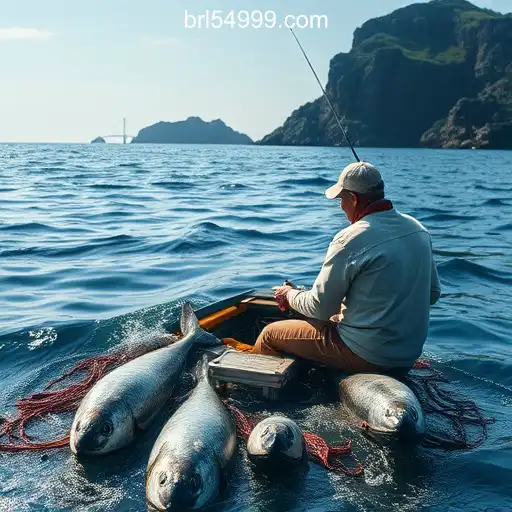
Unlocking the Secrets of Fishing: A Journey into the Deep Blue
Fishing, an age-old practice that has sustained human civilizations for centuries, is much more than a mere activity; it is an art form, a sport, and a way of life. The expansive ocean and serene lakes lure countless enthusiasts into the world of fishing, promising an escape into nature's tranquil embrace.
The Historical Tapestry of Fishing
For communities worldwide, fishing has been vital for sustenance and survival. Its origins are deeply embedded in ancient civilizations, from the Egyptians who perfected net fishing, to the Polynesians who mastered canoe fishing over the azure Pacific waters. This historical confluence has enriched various cultures, intertwining traditions and advancing technology over centuries.
Modern Fishing Techniques and Practices
The techniques have evolved remarkably with time, blending ingenious traditional methods with modern technology. Today, fishing is categorized mainly into two types: commercial fishing, aimed at large-scale harvests, and recreational fishing, pursued for leisure and sport.
Commercial fishing involves sophisticated machinery and vessels designed to capture large volumes, ensuring a supply chain that supports global demand. On the other hand, recreational fishing invites participants to enjoy the soothing rhythms of nature, casting their lines in hopes of a rewarding catch.
Fishing as a Sport: The Thrill of the Catch
In contemporary times, fishing has emerged as a competitive sport, testing skills, patience, and strategy. Anglers from across the globe participate in tournaments, vying for the largest or most elusive catches. This aspect transforms fishing into an adrenaline-laden endeavor, where precision and timing are everything.
The Diverse Ecosystems and Fishing Strategies
Fishing is a venture deeply dependent on the ecosystems it explores. Freshwater environments, such as rivers and lakes, present different challenges from the expansive oceanic fronts. Each environment demands unique strategies and equipment, tailored to the specific types of fish and conditions.
Freshwater fishing often targets bass, trout, and catfish, while saltwater expeditions in coastal and offshore waters might aim for marlin, tuna, and other pelagic species. The choice between using a fly rod or a spinning reel can alter the fishing experience drastically, showcasing the nuanced expertise required for different settings.
Conservation Challenges in the Fishing Industry
Despite its significance, fishing faces numerous environmental challenges. Overfishing, habitat destruction, and climate change substantially impact marine biodiversity. Fishing nets trap not just intended species, but also endangered sea turtles, dolphins, and seabirds, contributing to the depletion of marine life.
Efforts are underway globally to promote sustainable fishing practices, aimed at ensuring the preservation of aquatic ecosystems. These incorporate technology such as bycatch reduction devices and enhanced monitoring systems, alongside stricter regulatory policies.
The Role of Technology in Modern Fishing
The infusion of technology has revolutionized the fishing industry, offering tools that aid sustainable practices and enhance efficiency. Innovations like sonar devices, GPS navigation, and fish finders have become indispensable in locating and capturing fish with precision.
Technology also intersect with other realms such as digital platforms, playing a crucial role in engaging enthusiasts from around the world. Platforms like 54999.COM platform-online Slots Brasil #1 have expanded into virtual realms, providing simulation experiences that allow users to mimic and strategize fishing endeavors within digital landscapes.
Fishing for the Future: Education and Community Engagement
The future of fishing lies in nurturing awareness and encouraging responsible practices. Educational programs focusing on the next generation are crucial, instilling conservation-oriented knowledge and skills in young anglers. Community initiatives aim to blend ecological stewardship with the joy of fishing, fostering connections and commitments to preserving this age-old practice.
Emphasizing the ethics of catch-and-release, marine conservation, and responsible consumption, these efforts aspire to forge a sustainable relationship with aquatic environments.
Conclusion
Fishing continues to be a profound practice embodying a blend of tradition, innovation, and environmental consciousness. As we cast our gaze to the future, fostering a sustainable approach will be critical in preserving fishing as both an economic resource and a cherished pastime. Whether a seasoned angler or a novice, the waters beckon, offering lessons in patience, strategy, and respect for the natural world.